Home Energy Jargon Buster:
26 January 2026
Busting common phrases related to energy that powers your home
Have you ever looked into solar or battery storage and thought, “I should understand this… but I don’t”? Or been confused by scientific symbols, throughput, kWh? Energy language can feel oddly complicated, especially when you’re met with acronyms and technical terms before anyone explains what they actually mean in real life.
This jargon buster explains some of the most common phrases you’ll see when reading about home energy, solar panels, and battery storage, using plain English and real context. Whether you’re just starting to explore your options or you’ve already done some research and want a clearer picture, this short guide should help things click.
Common Phrases
Peak demand = Times of day when lots of people use electricity at once, usually mornings and evenings.
Time-of-use tariff = An electricity tariff where the cost of energy changes depending on the time it is used. Generally more expensive when demand is high (evening) and less expensive when demand is low (overnight)
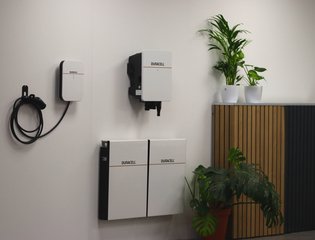
Battery storage = A system that stores electricity so it can be used later, rather than drawing power from the grid when demand is high.
Grid electricity = Electricity supplied through the national network, which can come from a mix of renewable and fossil fuel sources.
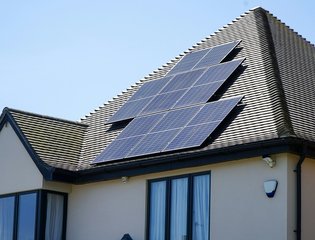
Self-consumption = Using the energy your home generates (such as solar) directly, rather than exporting it back to the grid.
kWh (kilowatt-hour) = A unit used to measure how much electricity is stored or used, and the standard way battery capacity is measured.
Throughput = A unit used to measure how much electricity is stored or used, and the standard way battery capacity is measured.
Cycle = One full charge and discharge of a battery.
8,000 cycles = Indicates how many times a battery can be fully charged and discharged during its expected lifespan.
1C rated = Describes how quickly a battery can charge or discharge, with 1C meaning it can fully charge or empty in one hour.
Power (kW) = A measure of how quickly electricity can be delivered to your home at any given moment.
Carbon-intensive electricity = Electricity produced using fuels like gas, which release more CO₂ than renewable sources.
Next Steps - Energy Savings
Understanding the language around energy is the first step. Knowing how it applies to your home is where the real value lies. Once concepts like peak demand, time-of-use tariffs, and self-consumption start to make sense, it becomes much easier to see how solar and battery storage can work together to reduce reliance on the grid and make better use of the energy you generate.
Our home battery systems have been engineered to do exactly that. They store electricity when it’s available and use it when it matters most, helping households take control of how and when their energy is used.
If you’re ready to move beyond the jargon and explore what energy storage could look like in your home, you can view our battery storage range or speak to our team for tailored advice.