How Battery Users Are Already One Step Ahead This Energy Savers Week
21 January 2026
Here’s How to Get Even More from Your Home Battery
What is Energy Savers Week?
Energy Savers Week is all about encouraging simple everyday habits that help households save energy and money over winter. You’ll hear advice about turning lights off, tweaking thermostats and being more mindful of when you use appliances. All of which is sensible. But if you already have a home battery, the truth is you’ve done something far more impactful than any of those small changes could ever achieve.
You’ve fundamentally changed how your home uses energy.
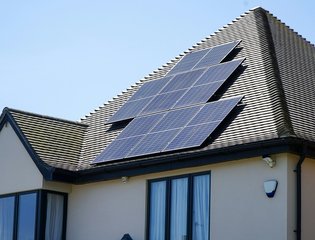
Instead of simply buying electricity when you need it, you’re now generating, storing and using your own power intelligently. That already puts you several steps ahead of the average household. But even the smartest energy system has room to improve, and Energy Savers Week is a perfect time to reflect and ensure you’re getting every possible benefit from your battery.
Make Your Tariff Work Harder
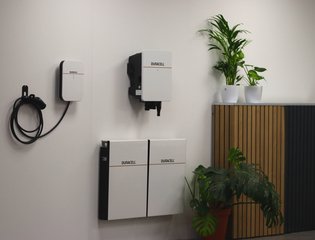
One of the biggest opportunities lies in how your battery works with your energy tariff. Many homes are now on time-of-use or off-peak tariffs, where electricity is cheaper at certain times of day and more expensive at others. If your battery is properly integrated with your tariff in the Duracell Energy App, it can automatically take advantage of those price differences. Instead of solely relying on your battery to store excess solar energy, your Dura5 can be instructed to fill up when electricity is at its lowest cost and support your home when prices are highest.
Over time, this small shift in behaviour can make a surprisingly big difference to your bills, especially in winter when solar generation is lower and grid prices are often at their most volatile. Once it’s set up, this is an automated process and requires no input, simply charge while prices are low and cash in the savings!
Smart Load Shifting
Your battery works best when your home works with it. By running high-energy appliances like washing machines, dishwashers or hot water heating when your battery is full, when you have solar, or when electricity is cheapest, you can significantly reduce how much expensive peak-time energy you buy from the grid. Even small changes to when you use energy can lead to noticeable savings over time.
Utilising Energy Data to Unlock Extra Savings
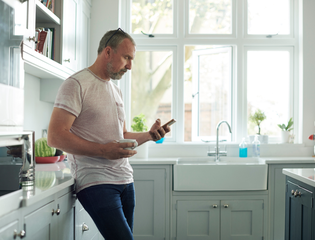
Another area that’s often overlooked is the sheer amount of insight your system already gives you. Inside the Duracell Energy App, the Energy Insights page shows you exactly how your home uses energy across the day. It’s easy to think of this as just “interesting data”, but it’s one of the most powerful tools you have for saving money. Once you start to see when your home uses the most power, when you rely most on the grid, and how effectively you’re using your stored and solar energy, patterns begin to emerge. Maybe there are certain times of day where your consumption spikes more than you expected, or moments where you’re exporting solar when you could be using it more effectively. Even small adjustments, like shifting when certain appliances run, can lead to meaningful improvements over time.
Things to Remember This Energy Savers Week
What’s important to remember during Energy Savers Week is that you’ve already done the hard part. Most of the advice aimed at households is about small behavioural changes around the edges. By installing a home battery, you’ve taken control of your energy in a much more fundamental way. You’re less exposed to rising prices, less dependent on the grid, and far better placed to make the most of clean, low-cost energy.
Now all that is left to do is to fine-tune and maximise your savings.
A few minutes spent checking your tariff details and integrating with your battery, reviewing your EV charging schedule, or exploring your energy insights on the Duracell Energy App could unlock even more value from your system. This winter, Energy Savers Week is about making your home energy system work smarter for you.
Everyday energy habits that add up
Smarter energy use isn’t about doing everything perfectly. It’s about making small, realistic choices throughout the day that quietly reduce energy use without disrupting your routine.
Getting up for the day
- Keeping showers short helps reduce both water and energy use. A few minutes less each morning can add up over the year.
- Ventilating the bathroom during and after showering helps prevent damp and mould, which can otherwise lead to higher heating needs later on.
- Slightly lowering the water temperature can reduce energy use without affecting comfort.
- Turning the tap off while brushing your teeth, shaving, or washing your face avoids heating water you don’t actually need. Cold water works fine for most of these moments.
Heating your home during the day
- A thermostat set between 18°C and 21°C is comfortable for most households. Small adjustments here can make a noticeable difference.
- Reviewing heating schedules helps avoid warming an empty home. If you’re out or asleep, lowering the temperature or switching heating off can reduce unnecessary use. If you use a heat pump or other low-temperature system, check with your installer before making changes.
- Thermostatic radiator valves allow you to heat rooms based on how they’re used. Warmer settings for living spaces, lower ones for quieter rooms.
- Radiator reflectors on external walls help push heat back into the room. They’re simple to fit and suitable for many rented homes.
- Closing curtains or blinds once it’s dark helps keep heat in. During daylight hours, letting sunlight in can naturally warm rooms.
Washing and drying clothes
- Eco cycles take longer but use less energy and are well suited to everyday laundry.
- Cooler wash temperatures work well for clothes that just need refreshing rather than deep cleaning.
- Heated airers typically use less energy than tumble dryers and can be effective when combined with good ventilation.
- Drying clothes outdoors isn’t just for summer. Breezy, dry days can be surprisingly effective, even when it’s cool.
- If you’re on a smart tariff, scheduling washing during lower-price periods can help reduce costs. For safety, only run appliances while you’re at home and awake.
Cooking and kitchen habits
- Choosing the right appliance for the meal makes a difference. Smaller appliances often use less energy for everyday cooking.
- Defrosting food in the fridge ahead of time reduces cooking time and energy use.
- Cooking larger portions at once allows you to store leftovers safely for later, saving energy across multiple meals.
- Using lids on pans and matching pan size to the food helps retain heat more efficiently.
- When boiling the kettle, only heat the water you need.
- Keeping freezer doors closed and defrosting once or twice a year helps appliances run more efficiently.